What Are the Key Benefits and Drawbacks of Digital Marketing?
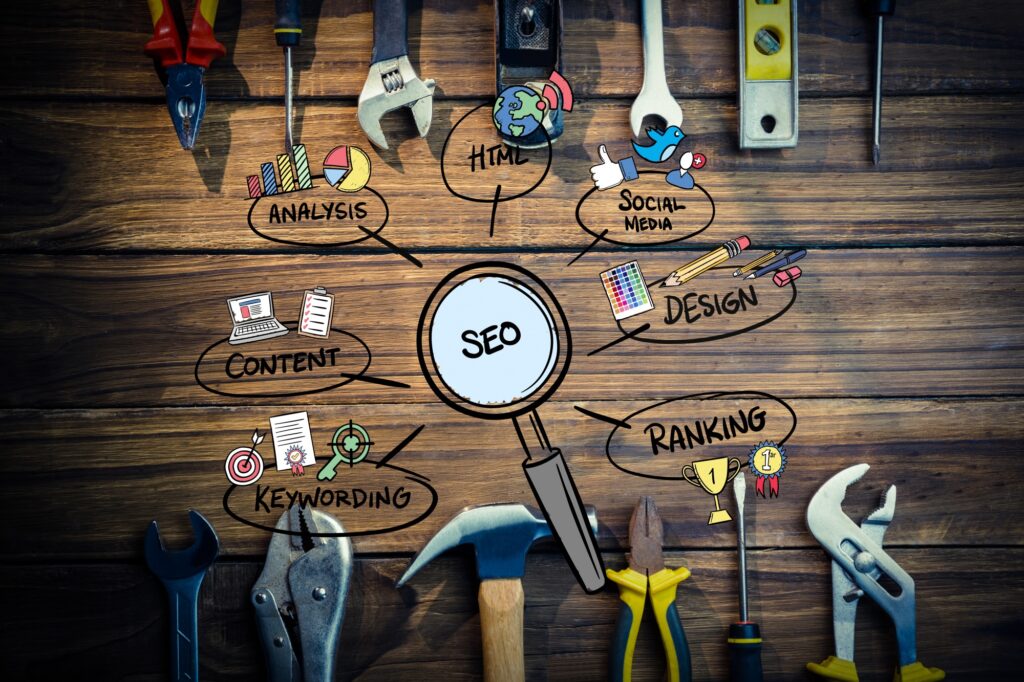
Digital marketing, a powerful tool in the modern business landscape, uses the internet and digital technologies such as computers, mobile phones, and various online platforms to promote products and services. This innovative approach has transformed traditional marketing by introducing a broad range of tactics, including search engine optimization (SEO), social media marketing (SMM), influencer marketing, content marketing, email campaigns, e-commerce marketing, and more.
As people increasingly rely on digital platforms in their daily lives, digital marketing has become an essential strategy for businesses to connect with customers. The rise of this marketing form can be attributed to the rapid development of technology and its ability to help businesses build a deeper connection with their audience.
The Advantages of Digital Marketing
1. Brand Development
Branding goes beyond just a name or logo—it’s about the voice, identity, and message your business conveys to the audience. Digital marketing allows businesses to directly reach customers through targeted campaigns, personalized content, and engaging social media strategies. This helps establish the brand in the market and builds consumer trust.
Key Insight: According to Google, 53% of consumers conduct online research before purchasing, showing how a strong online presence influences buying behavior. Additionally, 74% of consumers say social media advertising increases brand awareness (Nielsen).
2. Personalization
One of the biggest advantages of digital marketing is its ability to deliver personalized content to a targeted audience. By using data and analytics, businesses can design campaigns that address specific customer needs, preferences, and pain points, creating a more meaningful connection with the audience.
Key Insight: Salesforce reports that personalized email campaigns increase open rates by 29% and click-through rates (CTR) by 41%, highlighting the power of tailored marketing in building customer loyalty.
3. Wider Reach
Digital marketing breaks geographical boundaries, allowing businesses of all sizes to reach a global audience. Whether it’s a small startup or an established enterprise, digital marketing offers an equal platform to target potential customers across the world.
Key Insight: YouTube’s global reach is remarkable, with more than 18+ viewers tuning in during prime time than any other cable network in the U.S. (Google).
4. Accessibility
Digital marketing enhances a brand’s accessibility by making it easy for customers to interact with the brand, leave reviews, or inquire about services. Information about the business, such as location, operating hours, and services, is easily available to potential clients, fostering customer trust.
5. Greater Engagement
Digital marketing enables businesses to engage with their customers consistently. By creating regular content, running social media campaigns, and offering special promotions, businesses can increase customer retention, build a loyal following, and grow their brand awareness.
6. Lower Cost
Digital marketing is cost-effective compared to traditional advertising methods like TV and print ads. This makes it an ideal strategy for small businesses with limited budgets, as it allows them to compete with larger companies on a more even playing field.
The Disadvantages of Digital Marketing
1. High Competition
As more businesses invest in digital marketing, the competition has become fiercer. To stand out, businesses must create compelling campaigns that resonate with their target audience. If brands fail to keep their campaigns fresh and engaging, they risk losing their market position. Top Digital Marketing Blog in 2025.
2. Dependability on Technology
Digital marketing relies heavily on technology and the internet, which can be prone to errors. Technical issues like broken links, slow-loading pages, or malfunctioning ads can lead to a negative user experience, causing potential customers to abandon the brand.
3. Time-Consuming
Creating, implementing, and managing a digital marketing campaign can be time-consuming. Without a clear strategy and organized approach, businesses may end up wasting resources. To avoid inefficiencies, businesses need to focus on high-priority marketing tactics and regularly track their performance.
4. Security and Privacy Issues
Digital marketing requires handling large volumes of customer data, which raises concerns about privacy and security. Brands must ensure their websites are secure and that they follow legal protocols for collecting and storing customer information. A data breach could result in reputational damage and legal consequences.
Pros and Cons of Digital Marketing with Valuable Data Points
| Pros | Cons | Valuable Data Points |
| Cost-effective | Requires technical knowledge and skills | Digital ad spending reached $455.30 billion in 2020. |
| Reaches a large audience | High competition | The average click-through rate (CTR) for Facebook ads is 0.9%. |
| Targets specific demographics | Privacy concerns and data security risks | In 2020, Google faced a $5 billion GDPR fine for data privacy violations. |
| Customizable and flexible | Potential for ad fatigue | The average e-commerce conversion rate is 2.86% |
| Provides real-time results and analytics | Difficulty in measuring ROI | Only 22% of businesses report satisfaction with their digital marketing ROI. |
| Easily tracks and adjusts campaigns | Ad blockers can limit the reach | The use of ad blockers increased by 10% in 2020. |
| Enhances customer engagement and interaction | Affected by algorithm updates | 89% of marketers use Facebook for campaigns despite algorithm changes. |
| Creates personalized experiences | Requires constant updates and optimization | 54% of consumers prefer personalized ads, showing the effectiveness of customized marketing efforts. |
Conclusion
The main advantages and disadvantages of digital marketing will work out only if market research is not compromised by finding the best platform, creating the right content, taking note of its pros and cons, learning the perfect timing, and pushing up the brand. Whether traditional or digital, marketing is all about connecting to people at the right time and place.
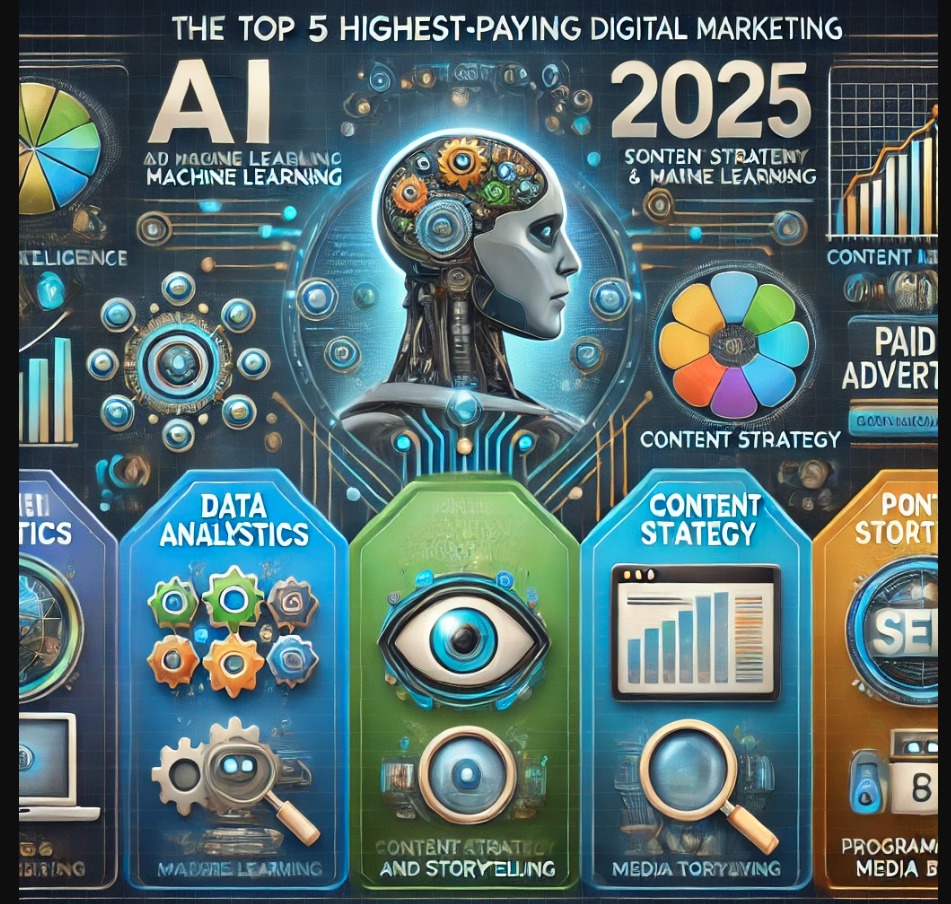
Top 5 Highest-Paying Digital Marketing Skills in 2025